The shield is one of Minecraft's most underused tools. Many players rush for a sword and bow but ignore the simple wooden shield. With the right techniques, a shield transforms a desperate fight into a controlled victory. This guide covers shield mechanics, defensive timing, and offensive uses to make you a better survivor. Learning the telegraph patterns is essential, as most bosses follow predictable cycles that open windows for counterattacks after certain abilities. The depth of most ability systems rewards players who take the time to understand underlying mechanics rather than just memorizing surface-level descriptions. Surviving longer in fights gives you more opportunities to learn and adapt, so prioritizing defensive awareness often leads to better long-term improvement than pure aggression. Knowing when to activate and deactivate transformation abilities is critical, as poor timing can leave you vulnerable during cooldown windows while perfect timing turns the tide of battle.
Shield Mechanics and Stats
Crafting a shield requires 6 planks and 1 iron ingot. The recipe yields a shield with 336 durability in Java Edition or 337 in Bedrock Edition. You can repair shields on an anvil using planks, but combining two damaged shields also works. Shields block 100% of damage from melee attacks and projectiles coming from the front, including arrows, tridents, and melee strikes. Blocking also negates knockback, keeping you steady against charged creepers or skeleton volleys. However, shield blocking does not protect against area-of-effect damage from explosions if you are not facing the source. Creeper blasts, fireballs, and splash potions still deal damage through the shield if the explosion originates behind you. Shield durability drops when blocking; each blocked hit consumes 1 durability from melee attacks and 2 from projectiles. Explosions drain durability based on the explosion power. If shield durability reaches zero, the shield breaks and you take the full hit. Understanding the damage formula and how different multipliers interact is key to optimizing your output, so taking the time to test rotations on practice dummies can reveal significant improvements. The depth of most ability systems rewards players who take the time to understand underlying mechanics rather than just memorizing surface-level descriptions. Optimizing your route and eliminating downtime between encounters can cut farming time by half, making it worthwhile to plan ahead rather than wandering aimlessly. Surviving longer in fights gives you more opportunities to learn and adapt, so prioritizing defensive awareness often leads to better long-term improvement than pure aggression. The depth of a fictional world is often measured by what happened before the main story began, as well-crafted backstory creates a sense of history that makes the world feel lived-in and authentic.
Defensive Tactics: Timing and Positioning
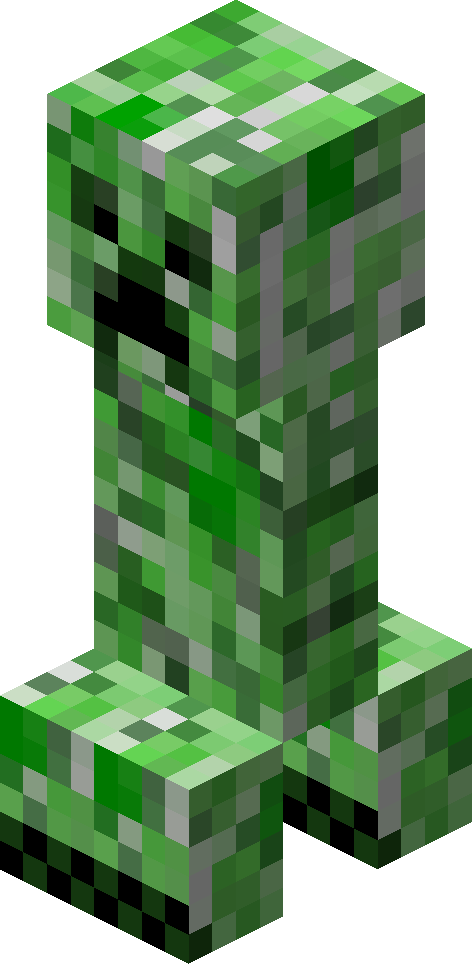
Hold right-click or use the designated block key to raise the shield. Keep the shield up while approaching skeleton archers to absorb arrows. When facing a creeper, turn to face the explosion and raise the shield. The shield absorbs most of the blast, but it takes heavy durability damage. Always carry a spare shield in your hotbar because a broken shield mid-combat leaves you vulnerable. Shield cooldown is another factor: in Java Edition, if an axe hits your shield, the shield becomes disabled for 5 seconds, leaving you open. Avoid blocking axe-wielding mobs like vindicators or pillager captains unless you can kill them quickly. Against multiple enemies, use the shield to block while retreating to a chokepoint. The shield also stops enderman attacks if you accidentally look at them, but be careful not to block while swinging--enderman teleport can still hit you from behind. Understanding the damage formula and how different multipliers interact is key to optimizing your output, so taking the time to test rotations on practice dummies can reveal significant improvements. The depth of most ability systems rewards players who take the time to understand underlying mechanics rather than just memorizing surface-level descriptions. Optimizing your route and eliminating downtime between encounters can cut farming time by half, making it worthwhile to plan ahead rather than wandering aimlessly. Great storytelling often works on multiple levels, delivering surface-level excitement while rewarding attentive audiences with deeper thematic connections. A character limitations are often what make them relatable and compelling, as perfect characters create no tension and offer little room for meaningful growth. Applying these principles consistently in actual gameplay will yield better results than trying to implement too many changes at once, so focus on mastering one concept before moving to the next. Surviving longer in fights gives you more opportunities to learn and adapt, so prioritizing defensive awareness often leads to better long-term improvement than pure aggression.
Pro Tip: Always carry two shields when exploring caves. If your primary shield breaks mid-battle, swap to the backup instantly. A shield is cheap but saves durability on your armor and keeps your health maxed. Learning the telegraph patterns is essential, as most bosses follow predictable cycles that open windows for counterattacks after certain abilities. The depth of most ability systems rewards players who take the time to understand underlying mechanics rather than just memorizing surface-level descriptions. Optimizing your route and eliminating downtime between encounters can cut farming time by half, making it worthwhile to plan ahead rather than wandering aimlessly. Applying these principles consistently in actual gameplay will yield better results than trying to implement too many changes at once, so focus on mastering one concept before moving to the next. Surviving longer in fights gives you more opportunities to learn and adapt, so prioritizing defensive awareness often leads to better long-term improvement than pure aggression.
Offensive Shield Use: Bashing and Disruption
The shield is not purely defensive. In PvP and PvE, you can weave blocking with attacks. Block an incoming strike, then immediately swing your sword. This reduces the window where you are vulnerable. In Bedrock Edition, you can also use the shield to block and then sprint to push mobs, though this is less consistent. Against players, a shield allows you to close distance against bow users: block their arrows, then switch to your axe to break their shield. Axes have a higher chance of disabling shields in Java Edition (25% chance, increased to 50% with efficiency? Actually, the chance is based on the attack strength? Better to say: Axes disable shields for 5 seconds on hit). Once the enemy's shield is down, you can land critical hits. Shield bashing itself deals no damage, but you can combine blocking with a jump attack to start a combo. Understanding the damage formula and how different multipliers interact is key to optimizing your output, so taking the time to test rotations on practice dummies can reveal significant improvements. Mastering the timing of your rotations separates average players from top performers, as even small delays in ability usage can cascade into significant damage losses over the course of a fight. Learning the telegraph patterns is essential, as most bosses follow predictable cycles that open windows for counterattacks after certain abilities. A character limitations are often what make them relatable and compelling, as perfect characters create no tension and offer little room for meaningful growth. Surviving longer in fights gives you more opportunities to learn and adapt, so prioritizing defensive awareness often leads to better long-term improvement than pure aggression.
Enchantment Choices for Shields
Shields can be enchanted with Unbreaking, Mending, and Curse of Vanishing. Unbreaking III triples the effective durability, so a shield lasts about 1,008 hits (336 * 3). This is critical for long cave trips or boss fights. Mending allows the shield to repair itself when you collect XP orbs, making it nearly permanent if you frequently earn XP. Prioritize Unbreaking III and Mending on your shield as soon as you have an enchantment table and books. Curse of Vanishing is worthless for a main shield; avoid it. Apply enchantments using an anvil or by combining enchanted books. Since shields take damage from many sources, Mending ensures you do not waste resources crafting new shields. Understanding the damage formula and how different multipliers interact is key to optimizing your output, so taking the time to test rotations on practice dummies can reveal significant improvements. Learning the telegraph patterns is essential, as most bosses follow predictable cycles that open windows for counterattacks after certain abilities. The depth of most ability systems rewards players who take the time to understand underlying mechanics rather than just memorizing surface-level descriptions. Efficient resource management often matters more than raw stats, as a well-timed ability can shift the momentum of an encounter dramatically. Optimizing your route and eliminating downtime between encounters can cut farming time by half, making it worthwhile to plan ahead rather than wandering aimlessly. Surviving longer in fights gives you more opportunities to learn and adapt, so prioritizing defensive awareness often leads to better long-term improvement than pure aggression.
The shield is a simple but powerful tool. Master blocking, manage durability, and learn to mix blocking with attacks. With these tactics, you will survive harder mob encounters, PvP fights, and even creeper ambushes. Practice the timing in creative mode before taking it into survival. Understanding the damage formula and how different multipliers interact is key to optimizing your output, so taking the time to test rotations on practice dummies can reveal significant improvements. Learning the telegraph patterns is essential, as most bosses follow predictable cycles that open windows for counterattacks after certain abilities. The depth of most ability systems rewards players who take the time to understand underlying mechanics rather than just memorizing surface-level descriptions. Efficient resource management often matters more than raw stats, as a well-timed ability can shift the momentum of an encounter dramatically. The mentor-student relationship is one of storytelling most powerful dynamics, as it allows wisdom to be passed down while creating emotional stakes that span generations of characters. True strength in fiction is rarely about raw power alone; the most formidable characters combine their abilities with intelligence, experience, and the willingness to make difficult choices. Surviving longer in fights gives you more opportunities to learn and adapt, so prioritizing defensive awareness often leads to better long-term improvement than pure aggression. Knowing when to activate and deactivate transformation abilities is critical, as poor timing can leave you vulnerable during cooldown windows while perfect timing turns the tide of battle.