Best Biomes for Building
BuildingBest Overall
Plains
Aesthetic
Flower Forest
Flat Terrain
Desert
Resources Nearby
Dark Forest
Plains
Flower Forest
Desert
Dark Forest
Choosing the right biome for your Minecraft base is one of the most important early-game decisions. The biome you settle in affects everything from available building materials to ambient lighting, mob spawn rates, and the overall aesthetic of your build. A well-chosen location saves thousands of blocks of travel and makes your survival experience significantly more enjoyable.
This guide breaks down the best biomes for building in Minecraft, ranked by terrain flatness, resource availability, visual appeal, and practical considerations like village proximity and mob safety.
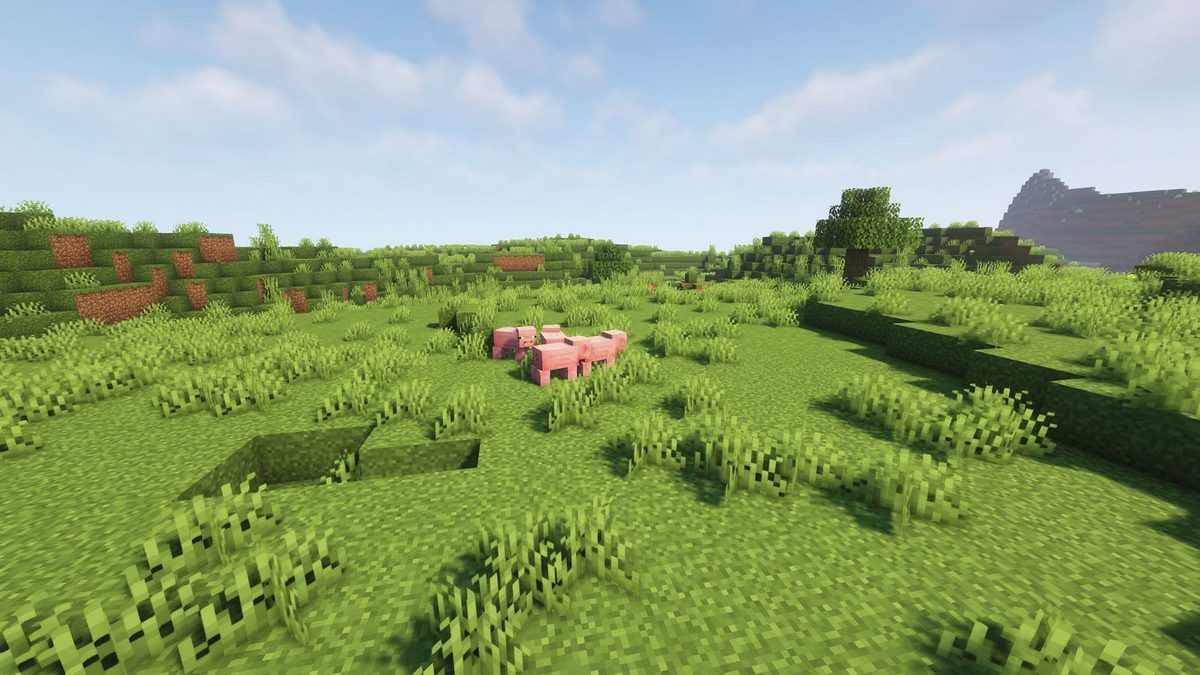
Plains biomes are the gold standard for building in Minecraft. Their terrain is almost perfectly flat with gentle hills, making foundation laying effortless. Grass blocks are abundant for path building and animal breeding. Villages spawn frequently in plains, giving you instant access to beds, workstations, and trading halls.
The open sky means your builds get full sunlight, preventing hostile mob spawns inside your base during the day. The lack of trees also means you have a clear canvas to design your landscape from scratch. Plains connect to most other biomes, so exploring for resources is convenient.
Flower Forests are a visual upgrade over standard forests. The ground is covered in a dense layer of flowers in every color, providing natural decoration for your base exterior. The trees are the classic oak shape, which looks more organic than the giant forest variants. The vibrant grass color adds warmth to any build.
Flowers are also practical: you can craft dyes for wool, concrete powder, and stained glass without traveling to other biomes. Bees spawn frequently in flower forests, giving you access to honey blocks and honey bottles for redstone contraptions and food.
Snowy Taigas offer a unique cold aesthetic that pairs beautifully with spruce wood, stone bricks, and lantern lighting. The snow cover transforms any build into a cozy winter retreat. Wolves spawn naturally here, providing companionship and defense against mobs.
Spruce trees grow tall and straight, making them an excellent renewable wood source for large projects. The frozen rivers and lakes create natural barriers around your base. Berry bushes are plentiful for early-game food.
Deserts feature the flattest terrain in the game, rivaled only by superflat worlds. This makes them ideal for large-scale builds where you need a perfectly level foundation. Sand is infinite and renewable, perfect for glass production. Desert villages provide easy starter housing and access to cartographer tables for map exploration.
Desert temples generate with valuable loot including enchanted books, diamonds, iron, and gold. The lack of rain means your builds stay dry, and the warm temperature prevents snow accumulation.
Pro Tip: Always settle within 100 blocks of a village. You get an immediate bed for respawn, a trading hall with discounted emeralds, pre-built shelter for your first night, and access to farmer villager trades for unlimited food. The village bell also acts as a gathering point for iron golem farms.
For a complete reference on all Minecraft biomes, their terrain generation, climate zones, and available resources, check the Minecraft Wikipedia article. Detailed biome maps, spawn rates, and community build showcases are available on the Minecraft Wiki on Fandom.