Nether Biomes Guide
NetherSafest
Warped Forest
Best for Fortress
Soul Sand Valley
Best for Bastion
Crimson Forest
Avoid
Basalt Deltas
Warped Forest
Soul Sand Valley
Crimson Forest
Basalt Deltas
The Nether is a dangerous dimension with five distinct biomes, each presenting unique challenges and rewards. Understanding each biome is essential for survival, resource collection, and progression toward the End. From ancient debris mining to blaze rod collection, each Nether biome serves a specific purpose in your Minecraft journey.
This guide covers all five Nether biomes with detailed information on mob spawns, available resources, structures, and survival strategies. Knowing where to go and what to expect can mean the difference between a successful Nether expedition and losing all your gear to lava.
Nether Wastes are the most common and recognizable Nether biome. This is your primary source of netherrack, glowstone, quartz, and nether gold ore. Ghasts spawn frequently here, so keep a bow with at least 15 arrows or learn to deflect their fireballs back at them.
Nether fortresses generate most commonly in Nether Wastes. The fortress corridors contain blaze spawners essential for blaze rods needed to craft eyes of ender. Fortress chests hold obsidian, nether wart, and golden chestplate pieces.
Crimson Forests are dense red forests with huge crimson fungi trees. Hoglins spawn here, providing a reliable source of porkchops and leather when killed. Piglins spawn in large numbers and will barter with gold ingots, giving you ender pearls, fire resistance potions, obsidian, and soul speed boots.
The crimson fungi blocks can be harvested and used as fuel in furnaces. Crimson planks are a good building material resistant to fire damage. Be aware that hoglins attack players on sight, but they can be repelled with warped fungi placed on the ground.
The Warped Forest is the safest biome in the Nether. The blue-green terrain is the only Nether biome where endermen spawn naturally. No other hostile mobs spawn here except endermen, which only attack if you look directly at them. This makes it ideal for establishing a Nether hub base.
Warped fungi can be crafted into warped planks, the only Nether wood type that does not burn. Warped fungi on a stick can be used to control striders for lava travel. Endermen are useful for ender pearl farming, which is essential for reaching the End.
Soul Sand Valleys are vast, open expanses of soul sand and soul soil. The pale blue atmosphere and bone block spires create an eerie environment. This biome slows your movement significantly because soul sand reduces walking speed, making you vulnerable to ghast fireballs and skeleton arrows.
Despite the danger, soul sand valleys are excellent locations for finding Nether fortresses, which are highly visible against the open terrain. Soul soil can be used to craft soul torches, which prevent piglin spawns in your builds.
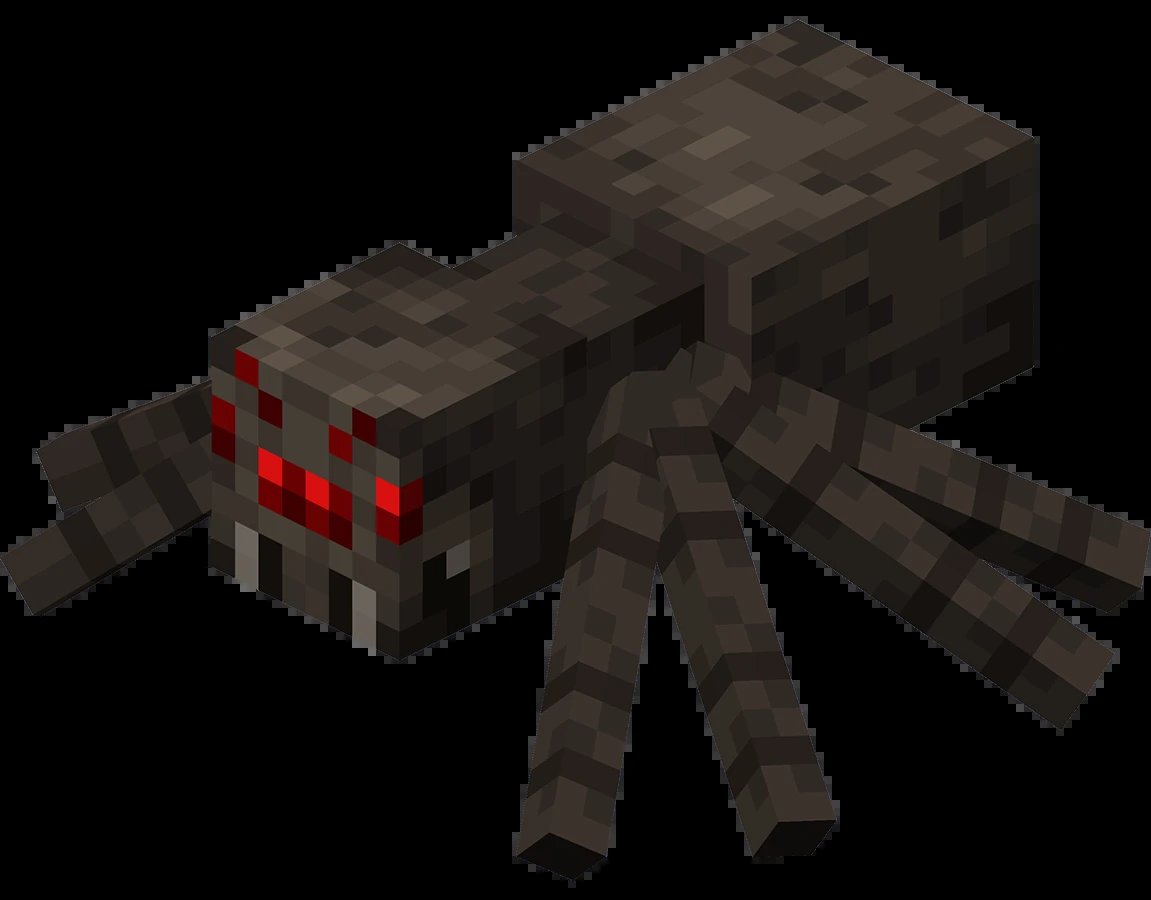
Basalt Deltas are filled with towering basalt pillars, grey ash particles, and lava pools. Magma cubes spawn frequently here in all sizes, making it dangerous to traverse. The uneven terrain makes building difficult and accidental lava falls are common.
Basalt is useful for building because it is blast-resistant and has a unique dark texture. Blackstone spawns here in large quantities and can be crafted into polished blackstone bricks for decorative builds. Magma cubes drop magma cream, essential for fire resistance potions.
Pro Tip: Build a Nether ice highway using blue ice at Y=120. The Nether ceiling is solid bedrock, but you can break through at Y=127 in certain chunks to build above the ceiling. Blue ice allows boats to travel at 70+ blocks per second, making it the fastest overworld transportation method.
For a complete exploration of the Nether dimension, all biomes in detail, and advanced survival strategies, check the Minecraft Wikipedia article. Comprehensive Nether biome guides, mob spawning mechanics, and community tips are available on the Minecraft Wiki on Fandom.